Recently, the Department of Energy and Power Engineering (DEPE) at Tsinghua University and the Faculty of Science at University of Amsterdam (UvA) have signed a multi-year collaboration agreement on Sustainable Technologies for Carbon Neutrality. The partnership between the two faculties, which comes at a time of opportunity for collaboration between China and Europe, will bring together researchers, teachers and PhD students from both countries to work on key solutions for climate and clean-energy challenges.
Prof. Susan te Pas, Dean of the University of Amsterdam Faculty of Science, welcomes the new agreement. “This partnership with Tsinghua University creates exciting new opportunities for researchers and students to work together on sustainable technology with real impact”, she says. She also links the collaboration to the spirit of the recent Deep Tech Day at the University of Amsterdam, where science‑driven innovation and real-world challenges were central themes.
Prof. Alfons Hoekstra, head of the Molecular and Material Design Technology Hub (MMD TechHub), describes the partnership as a clear example of deep‑tech collaboration. “This is exactly what deep tech is about,” he says. “We connect top‑level science with real needs in society. By working with a world-class partner like Tsinghua, we can speed up breakthroughs in materials and energy technologies. And we can train the next generation of researchers through multiple collaborative PhD projects.”
The agreement includes exchange visits of PhD students and researchers, joint teaching activities and R&D projects, promoting both knowledge and cultural exchange between China and Europe.
DEPE emphasises the opportunity for early-career researchers. This partnership will allow them to combine strengths in advanced energy engineering and new materials. It is a valuable platform for young researchers to contribute to clean energy innovation, building trust across cultures.
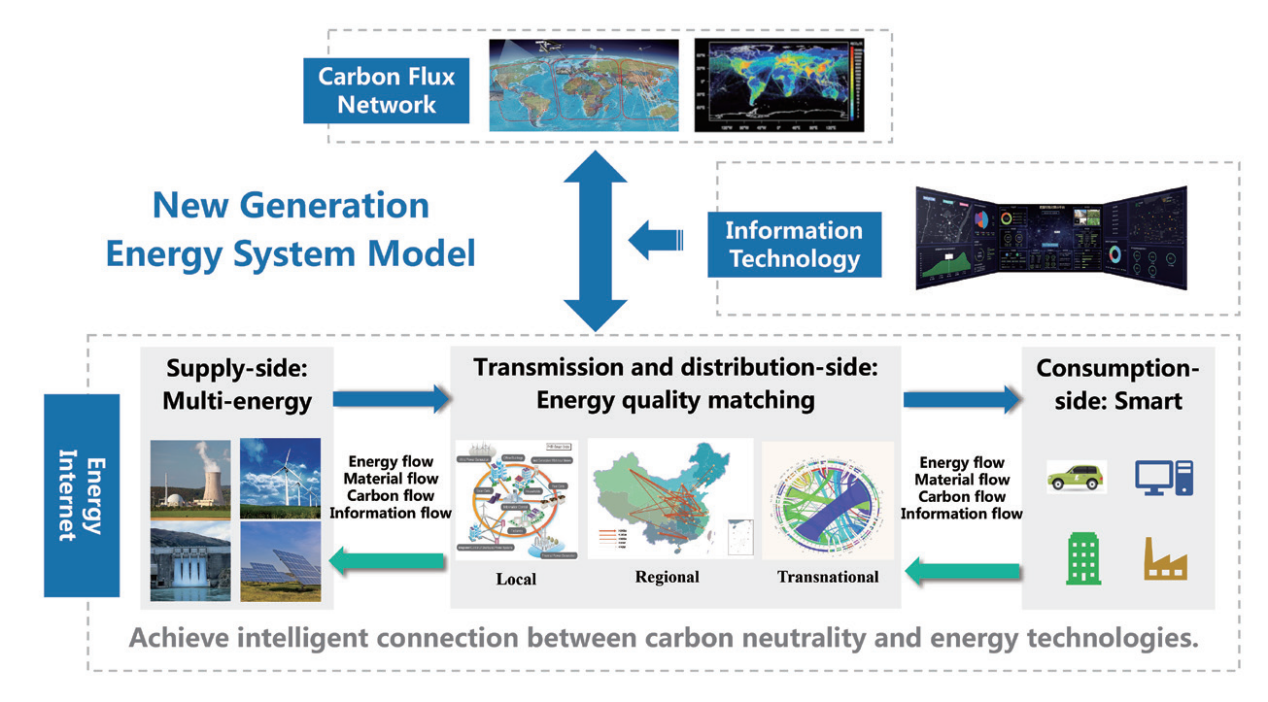
Initiated in November 2023, the Carbon Neutrality and Energy System Transformation (CNEST) multilateral collaboration program embodies Tsinghua's vision and commitment to catalyzing change toward a future energy system. With solid and wide research foundations and collaborations, this program aims to unite global efforts in supplying illuminating ideas and technology demonstrations of the future energy system and contribute to the global realization of carbon neutrality.
By bringing together leading universities, enterprises, scientists and engineers, this program aims to foster a collaborative ecosystem dedicated to accelerating progress towards carbon neutrality and the development of future energy system. Scientists worldwide will collaborate across scientific frontiers, from theory to system technology and demonstrations. The pursuit of carbon-neutral technologies, tailored to each nation's context, requires mutual understanding and joint promotion.